
You can learn how to spot products built to last by prioritizing high-quality materials like solid wood or heavy-duty metals and inspecting for signs of expert craftsmanship such as tight, even stitching. Evaluating the availability of replacement parts and comprehensive warranties also indicates a manufacturer's commitment to long-term durability and repairability.
We have all experienced the frustration of a new purchase falling apart just weeks after the initial excitement fades. In a world dominated by disposable goods, finding items that actually endure feels like searching for a needle in a haystack. For those in Richfield who value true craftsmanship, settling for subpar materials is no longer an option. Quality is not a matter of luck; it is a discipline of observation. This guide explores the buy once, cry once philosophy, teaching you how to master the five second physical test. You will learn to identify superior stitching in garments, robust hardware in tools, and the reliability of simple mechanics in kitchenware. We will also cover essential maintenance rituals to ensure your investments serve you for decades, turning standard purchases into lasting heirlooms.
The Buy Once, Cry Once Philosophy: Why Durability Matters in Richfield

The "Buy Once, Cry Once" philosophy is a mindset shared by many craftsmen and savvy homeowners in Sevier County. It refers to the initial sting of paying more for a high quality item, a single moment of discomfort that prevents the long term pain of repeated failures. We see the alternative often: a pair of work gloves that tear after two weeks or a kitchen appliance that stops working right when you need it most. In Richfield, Utah, where practical needs drive our daily lives, spending hard earned money on products that break within six months is a budget killer.
This cycle of replacement is the hallmark of a disposable culture that prioritizes low shelf prices over long term utility. When you invest in a curated selection of everyday essentials, you move away from temporary fixes toward permanent solutions. Paying for quality eliminates the frustration of mid project failures and the hidden costs of constant restocking. At Elna Shops, our thoughtful product selection is based on the idea that value is measured in years of service, not just the price on the tag. Learning how to spot products built to last is the first step in reclaiming your budget and your time from the cycle of planned obsolescence.
How to Check the Quality of a Product: The Five Second Physical Test
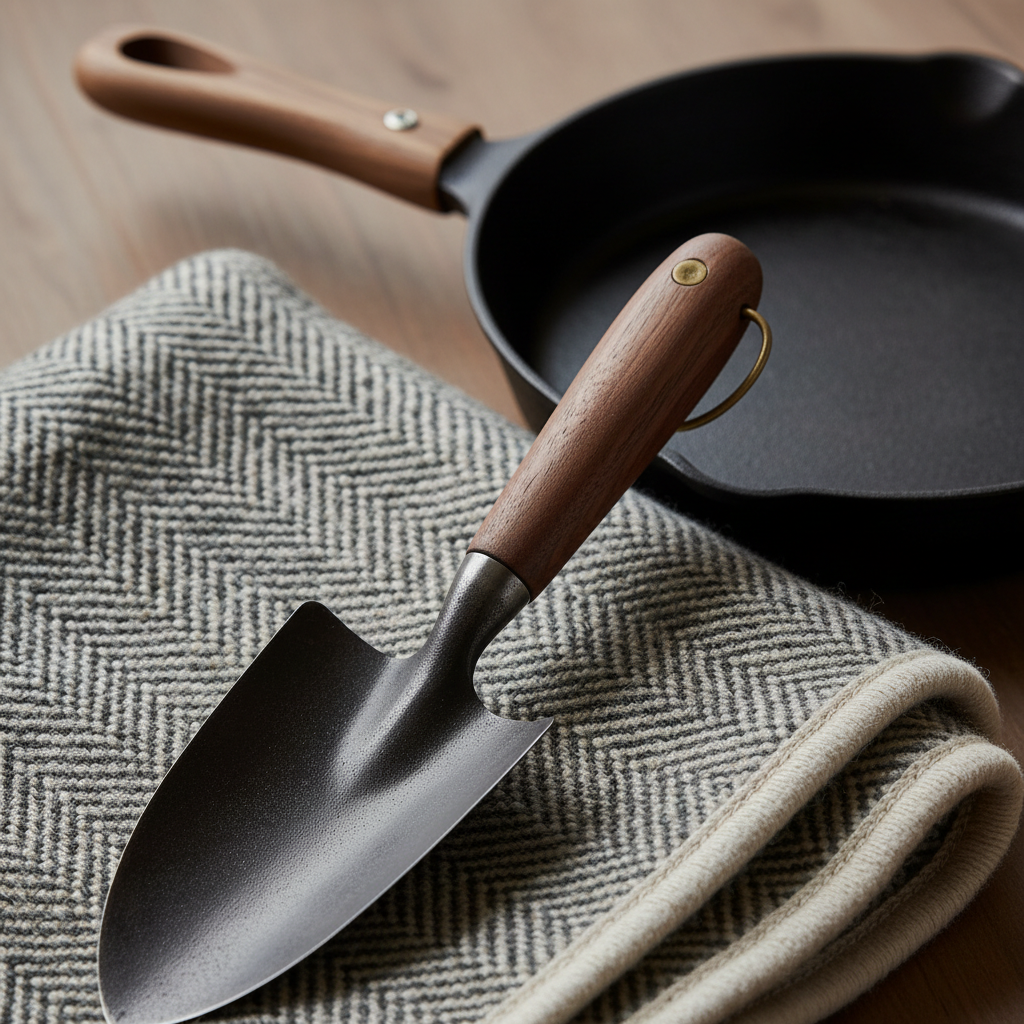
Moving from the philosophy of durability into the practical application requires a discerning eye. To understand how to spot products built to last, you should apply a five second physical test to any item before reaching for your wallet. This immediate assessment helps bypass clever marketing and focuses on the physical reality of the object.
Start with the Weight Test. While modern tech often prizes lightness, for everyday household goods and gear, heft is frequently a proxy for quality. A heavy hand tool or kitchen appliance often indicates solid metal internal components rather than hollow shells or thin nylon gears. If a product feels surprisingly light for its size, it is likely because the manufacturer swapped out durable internal materials for cheaper, thinner alternatives that will fail under stress.
Next, perform a Joinery Check. Examine how the different parts of the item are held together. Look for mechanical fasteners such as screws, bolts, or rivets. These allow for structural integrity and, importantly, the possibility of repair. You should avoid products that rely heavily on glue, heat welded seams, or plastic snap-fit clips. These clips are designed for rapid, low cost assembly on a factory floor but are prone to snapping, rendering the entire item disposable once a single tab breaks.
Finally, assess the Material Feel. It is vital to differentiate between a shiny aesthetic finish and true structural density. Cold to the touch surfaces usually indicate real metal or stone, which handle thermal changes and physical wear better than synthetic mimics. Give the item a firm squeeze or a tap with your knuckle; a high quality housing should not creak, flex, or sound hollow.
Quality Marker | What to Look For | What to Avoid |
|---|---|---|
Fasteners | Exposed screws, metal rivets, bolts | Hot glue, plastic tabs, staples |
Density | Substantial heft, solid sound when tapped | Exceptionally light, hollow resonance |
Surfaces | Cold metal, thick glass, rigid casing | Thin plastic that flexes under thumb pressure |
At Elna Shops, our thoughtful product selection process uses these physical markers to filter out the flimsy. We handle the inventory ourselves to ensure that every item meets these standards before it ever reaches a shelf in Richfield or your doorstep.
Spotting High Quality Clothing: Stitches, Fibers, and Seams
Assessing the longevity of textiles requires a different set of senses than evaluating hardware, but the principles of structural integrity remain the same. To understand how to tell if a fabric is high quality, start with the fiber composition. Natural fibers such as wool, cotton, and linen are the gold standard because they age better than synthetics, which tend to pill, lose shape, and trap odors after just a few washes.
A common misconception is that heavier fabrics are inherently hotter or strictly for winter use. In reality, a heavy feel often indicates a denser weave or higher thread count, providing a durable barrier against mechanical wear while still allowing for breathability. This structural density is a key marker when learning how to spot products built to last. A high quality cotton shirt may feel more substantial than a cheaper alternative, yet it will likely keep you cooler because the natural fibers manage moisture more effectively.
After checking the fiber, move to the seams. Perform a Tug Test by gently pulling the fabric on either side of a stitched line. If the threads remain tight and the seam stays closed, it is built for long term use. If you see daylight between the stitches or the thread begins to gap, the garment will likely fail at that stress point within months.
Finally, look for reinforcement at high friction areas. Quality garments feature bar tacks, which are small, dense rows of zig-zag stitches, or double-stitching at pocket corners and elbows to prevent fraying. These manufacturing choices are what we look for in our curated selection of everyday essentials, ensuring that your clothing is an investment in utility rather than a temporary purchase that will fail during a busy workday in Sevier County.
Buy it for Life Tools: Identifying Hardware That Wont Fail You
While fabric requires a delicate touch, identifying buy it for life tools involves scrutinizing the manufacturing process and the integrity of the steel. The most critical distinction in metalwork is forged versus stamped construction. Forged metal is heated and pounded into shape, a process that aligns the internal grain of the steel for maximum strength and impact resistance. Stamped metal, conversely, is punched out of flat sheets like a cookie cutter. While stamping is cost effective, it often leaves the tool susceptible to bending and fracturing under heavy torque.
When evaluating hand tools, prioritize full-tang designs. This construction means the metal extends through the entire length of the handle, usually visible as a steel spine sandwiched between two handle scales and secured with rivets. Tools where the metal only enters an inch or two into a plastic or wood handle are structurally compromised. They are prone to snapping at the junction, which is the most common point of failure for bargain hardware.
Feature | Professional Grade | Consumer Grade |
|---|---|---|
Metal Forming | Forged for grain alignment | Stamped or cast |
Handle | Full-tang with mechanical rivets | Partial-tang or friction fit |
Action | Smooth, precision-machined pivot | Loose, rattling, or wobbly joint |
High quality mechanical tools should exhibit a smooth but tight action. In a pair of pliers or an adjustable wrench, there should be no lateral play or wiggling at the pivot point. At our Richfield store, we help customers distinguish between tools intended for occasional light duty and those engineered for everyday work. Our thoughtful product selection focuses on the latter, ensuring your curated selection of everyday essentials includes hardware that can survive a decade in a farm shop or a home garage. Understanding these structural details is fundamental when learning how to spot products built to last.
Kitchen and Home Essentials: Simple Mechanics Over Complex Electronics
Durability in the kitchen relies heavily on the principle of mechanical simplicity. While a digital screen on a toaster or a touch sensitive panel on a blender might seem modern, these electronic components are almost always the first point of failure. Heat, steam, and constant vibration are the enemies of circuit boards. To master how to spot products built to last, prioritize items made from inert, high density materials like cast iron, heavy gauge stainless steel, and thick borosilicate glass. These materials handle thermal shock and physical impact without degrading over decades.
Consider the difference between a high quality manual can opener and an electric version. The manual tool uses basic gears and leverage, which can be cleaned and maintained indefinitely. The electric version relies on a motor and wiring that, once burnt out, renders the tool e-waste. Similarly, a simple mechanical kitchen scale utilizes a physical spring that remains accurate for a lifetime, whereas digital scales eventually succumb to battery leaks or sensor drift. Our thoughtful product selection at Elna Shops favors these analog solutions. By choosing a curated selection of everyday essentials that rely on physics rather than software, you ensure your kitchen gear remains functional long after the latest smart gadgets have reached the landfill.
The Second Half of the Equation: Caring for Your Products So They Last

Even the most ruggedly constructed item requires consistent stewardship to reach its full potential. While learning how to spot products built to last ensures you start with a solid foundation, the longevity of that item is ultimately determined by your maintenance routine. In the high desert environment of Richfield and the surrounding Sevier County, the climate itself is a factor. Our low humidity can be particularly taxing on natural materials, causing wood tool handles to shrink and leather goods to become brittle. Regular application of food grade mineral oil to wooden boards and leather conditioner to boots prevents the structural cracking that sidelines even premium gear.
Mastering basic repairs is a core part of ownership. A small snag in a wool sweater or a loose thread on a heavy canvas jacket should be addressed immediately. A three minute mend with a needle and thread prevents a minor tear from expanding into a failure that requires replacement. This proactive approach applies to hardware as well. For metal tools, rust is the primary enemy. You should wipe down shovels, shears, and wrenches after every use and store them in a dry environment. A light coating of oil on carbon steel blades provides a necessary moisture barrier against the elements.
Item Type | Essential Maintenance Task | Frequency |
|---|---|---|
Wood Handles | Apply linseed or mineral oil | Twice a year |
Leather Goods | Clean and apply conditioner | Every 3 to 6 months |
Metal Tools | Wipe dry and lightly oil | After every use |
Textiles | Inspect seams and mend small snags | After every wash |
Proper cleaning is equally vital. Harsh synthetic chemicals can strip natural oils from stone surfaces and degrade the protective patina on high carbon steel. Stick to mild, pH neutral soaps and follow the manufacturer's guidelines. While it is tempting to toss the instruction booklet, it often contains the specific lubrication schedules or tension adjustments needed to prevent premature wear. Our thoughtful product selection includes items chosen for their serviceability, but their lifespan rests in your hands. If you need specific advice on how to care for a particular material, you can always contact our team for professional guidance. Maintaining a curated selection of everyday essentials transforms a simple purchase into a lifelong asset.