Save on frequent convenience goods that lack unique branding, but splurge on specialty products that offer long-term durability or daily personal value. Effective everyday vs specialty products shopping tips recommend investing in high-quality essentials like mattresses and tools while choosing generic options for basic household staples. This approach ensures your budget supports both practical needs and lasting quality where it matters most.
Every shopper has felt that flicker of doubt while standing in an aisle, wondering if a premium price tag truly guarantees better performance or if they are simply paying for a label. This constant decision fatigue often leads to a pantry full of mediocre goods or a budget drained by unnecessary luxuries. Mastering the distinction between everyday basics and specialty investments is the foundation of a well-managed home. It is about more than just saving money; it is about intentionality and allocating your resources toward items that enhance your daily life. In this guide, we will explore the four categories of consumer products and provide a practical checklist to help you decide when to invest in quality. You will learn how to apply the 50 30 20 rule to household goods and discover how to find the perfect balance for your unique lifestyle right here at Elna Shops in Richfield.
Understanding the Four Categories of Consumer Products
Smart shopping begins with knowing exactly what kind of product is in your cart. In the retail world, goods are divided into four specific categories based on how you buy them. Recognizing these categories helps you decide where to tighten the belt and where to invest in quality. This understanding forms the basis for effective everyday vs specialty products shopping tips that actually impact your monthly bottom line.
Convenience products are the foundation of a household budget. These are frequent, routine purchases made with very little thought or comparison, such as milk, dish soap, or batteries. Because these items are used up quickly and replaced often, they are the primary targets for saving strategies. You generally want the most reliable version at the lowest price per unit.
Shopping products require more effort. These are items like furniture, appliances, or a new winter coat where you compare price, quality, and style before committing. This category is where the splurge vs. save debate is most active because the price differences between brands can be significant and the product life is much longer.
Specialty products are unique. These items have specific characteristics or brand loyalty that make a buyer willing to go out of their way to find them. Think of a high-end power tool or a specific brand of artisanal coffee. You aren't comparing prices here; you are buying for a specific result or level of craftsmanship.
Unsought products are those we don't think about until a need arises, like a fire extinguisher or a battery jump starter. By applying a thoughtful product selection process to all four categories, you can move past impulse buying and start making choices that reflect your actual needs rather than just reacting to a shelf price.
When to Splurge: Quality Everyday Essentials Worth the Investment
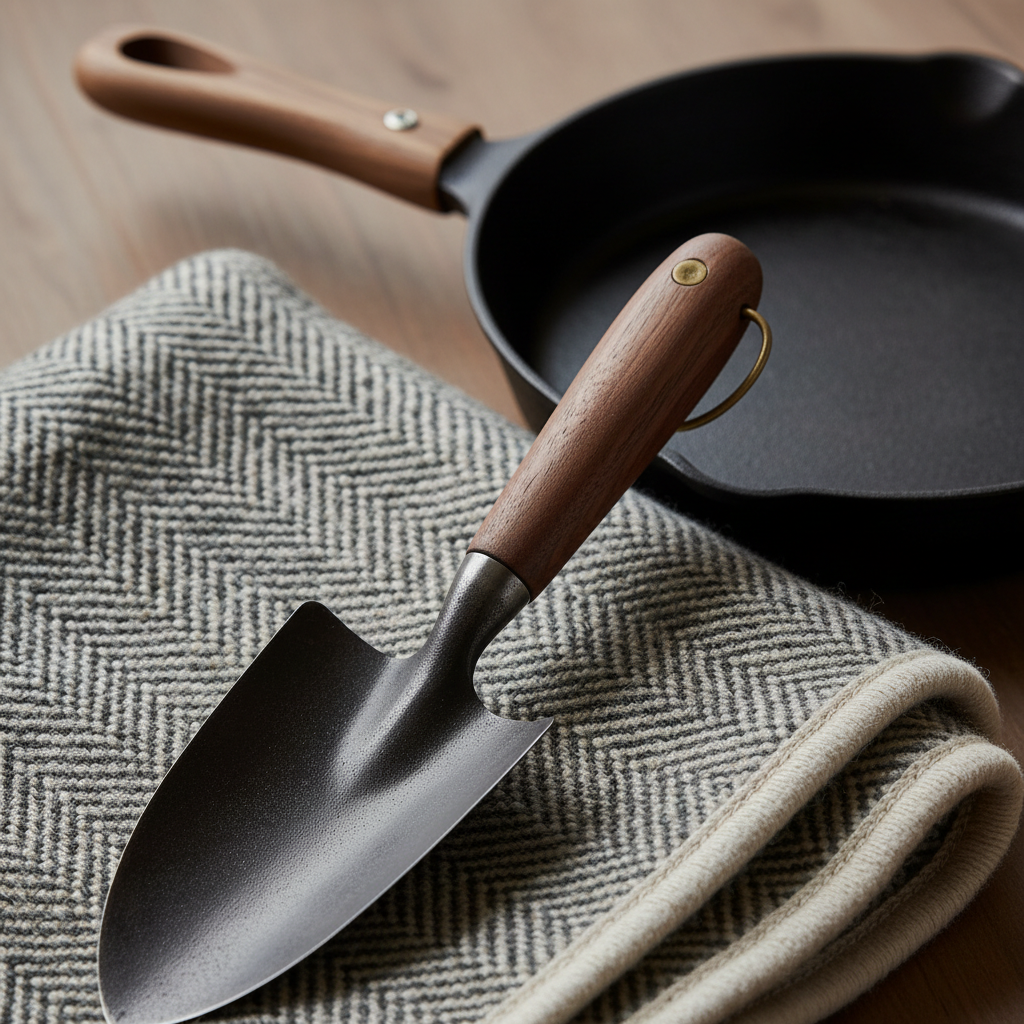
Moving from general categories to specific purchasing decisions requires a shift in perspective from the initial price tag to long-term value. A high-quality purchase is often an investment in your future time and comfort. The most effective way to determine if an item is worth a higher price is through the cost per use philosophy. By dividing the price by the number of times you will actually use the item over its lifespan, an expensive tool often reveals itself as the more economical choice over a three or five-year period.
Investing in items that directly impact your physical health, safety, or daily comfort is a primary rule of smart shopping. This includes ergonomic office chairs that protect your spinal health during long work hours or high-quality footwear that provides necessary arch support. In these instances, the extra cost prevents future medical expenses or lost productivity. Similarly, safety equipment and high-performance protective gear should never be the category where you prioritize the lowest possible price.
When evaluating everyday vs specialty products shopping tips, craftsmanship serves as the deciding factor for long-term durability. This Buy It For Life mentality applies heavily to kitchen knives; a single, well-balanced forged blade will outperform and outlast a drawer full of dull, stamped metal alternatives. In regions with distinct seasonal shifts, such as our local climate in Richfield, high-performance winter outerwear is another essential splurge. A coat with superior thermal regulation and durable water repellency is a functional necessity that can last a decade with proper care.
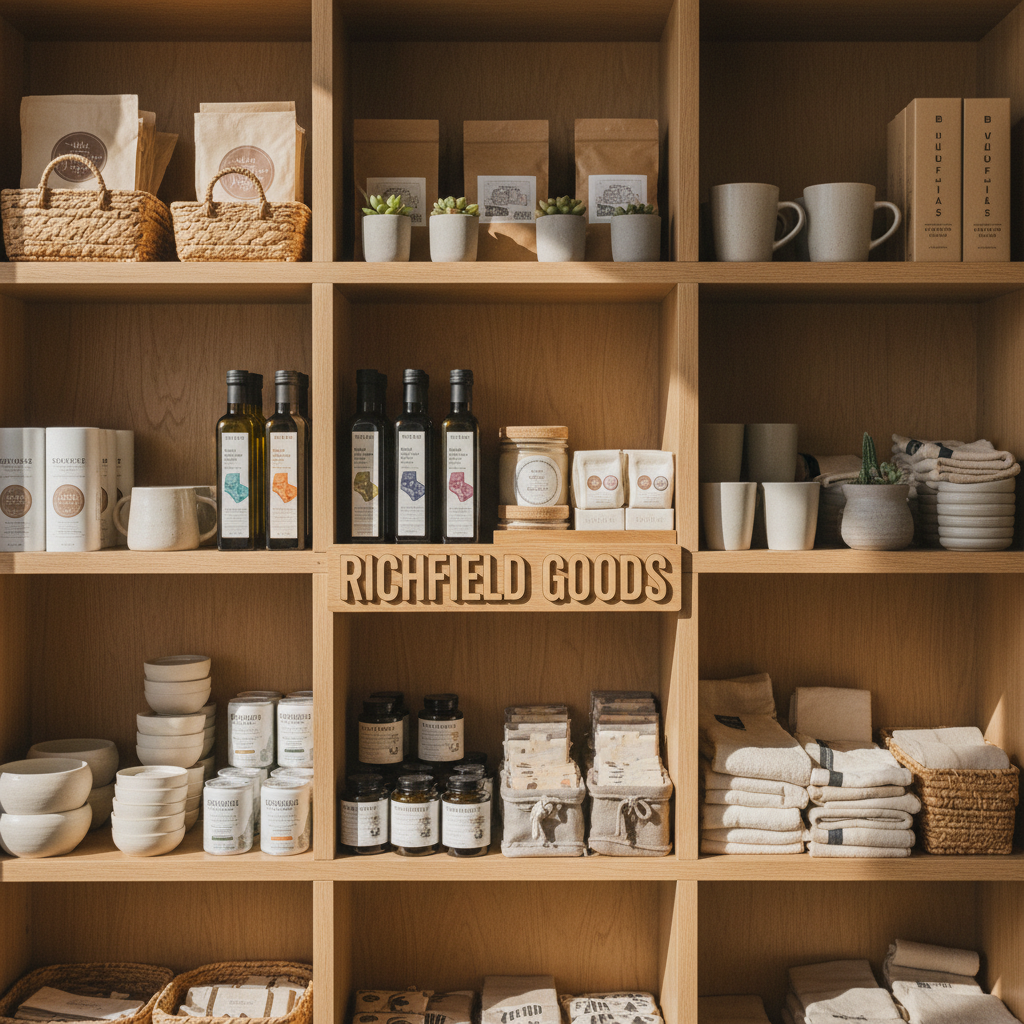
At Elna Shops, our curated selection of essentials focuses on items where the manufacturing quality translates directly into reliability. We look for products with reinforced stress points, superior materials, and reputable construction. Choosing quality hand tools or heavy-duty housewares means you avoid the cycle of buying and replacing disposable versions that fail under pressure. While it is tempting to seek the lowest price on every aisle, choosing to spend more on high-frequency, high-impact items creates a more efficient and sustainable household.
When to Save: Smart Strategies for Everyday Basics
While identifying high-impact items is crucial for a functional home, maintaining a lean household budget requires recognizing where basic versions are perfectly adequate. Saving strategies focus on items with high turnover, low functional complexity, or fleeting aesthetic appeal. In these categories, the premium version often provides marginal benefits that do not justify a higher price point.
Generic alternatives are particularly effective for household maintenance. Many cleaning supplies contain the same active ingredients as their name-brand counterparts. A bottle of basic white vinegar or a store-brand glass cleaner performs the same chemical task as a more expensive, heavily marketed alternative. Similarly, basic kitchen staples like baking soda, aluminum foil, or parchment paper are commodities where brand names rarely offer a performance advantage.
Category | Why to Save | Best Strategy |
|---|---|---|
Trendy Decor | Style cycles move quickly; items become dated. | Buy basic foundations; save on accents. |
Cleaning Supplies | Identical active ingredients across brands. | Buy store brands or basic bulk versions. |
Single-Use Tools | Low frequency of use (once or twice a year). | Borrow or buy the simplest functional model. |
Seasonal Items | Limited exposure time and utility. | Prioritize utility over aesthetic branding. |
Home styling often presents a trap for overspending. Trendy accents, such as specific patterns or vibrant colors that are popular for a single season, quickly become dated. By choosing simple, timeless foundations and saving on these fleeting statement pieces, you keep your budget flexible for items with more longevity. This approach ensures your home remains current without requiring a total overhaul every few years.
To master these everyday vs specialty products shopping tips, implement the 7-day rule for non-essential purchases. If you encounter an item that you want but do not immediately need, wait one full week before making the purchase. This period of reflection helps distinguish between a genuine household need and a passing impulse. Often, the urge to buy fades as the initial excitement of the discovery wears off. Finding value in simplicity at our local stores in Richfield allows you to maintain a high standard of living without the burden of overpaying for marketing or temporary trends.
The Splurge vs Save Checklist: 5 Questions to Ask Before You Buy
The 7-day rule provides the time needed for reflection; however, navigating the store aisles still requires a concrete framework to avoid impulse buys. To streamline your decision-making, use this checklist of the 5 main decisions you should make when shopping. These five points serve as essential everyday vs specialty products shopping tips to keep your household running efficiently while respecting your budget.
Will I use this every day? Frequency of use is the most reliable indicator of value. Items used daily, such as a high-quality coffee maker or a durable work bag, deserve a larger portion of the budget. When an item is used constantly, the cost per use drops significantly over its lifespan.
Does a cheaper version compromise safety or health? Safety is never the place to prioritize a bargain. Whether it is protective gear for a home improvement project or ergonomic supports for a workstation, spending more for certified quality prevents far more expensive medical or repair bills later.
Is this a final good or a temporary fix? Identify if the purchase is intended to be a permanent household staple or a bridge item. Investing in a curated selection of essentials means choosing goods built for longevity rather than disposable versions that require replacement within a year.
Do the active ingredients or materials differ significantly? Compare labels rather than logos. If the materials or chemical compositions are identical, the premium price is often just a marketing tax. Choose the simpler, lower-cost option for basic commodities where performance is uniform.
What is the total cost of ownership? Consider if a lower price today leads to higher costs tomorrow. Cheaply made tools or appliances often lack replaceable parts or require expensive proprietary refills; this makes the more robust version more economical over time. Applying this thoughtful product selection process ensures your home remains stocked with items that work as hard as you do.
Navigating Grocery and Home Essentials: The 50 30 20 Rule for Household Goods
Applying the 50/30/20 rule to household goods provides a clear structure for managing monthly expenses. Allocate 50% of your shopping budget to non-negotiable staples such as basic cleaners, bulk ingredients, and daily necessities. The next 30% should focus on specialty items or quality upgrades that offer long-term value, such as a high-performance kitchen tool or superior textiles. The remaining 20% allows for flexible spending on seasonal accents or trial products.
This framework prevents lifestyle creep, which occurs when a shopper begins treating premium specialty items as basic necessities. If every convenience item in your cart is replaced by a boutique version, your baseline cost of living rises without a corresponding increase in utility. Maintaining this balance is significantly easier in organized retail environments like our local stores in Richfield.
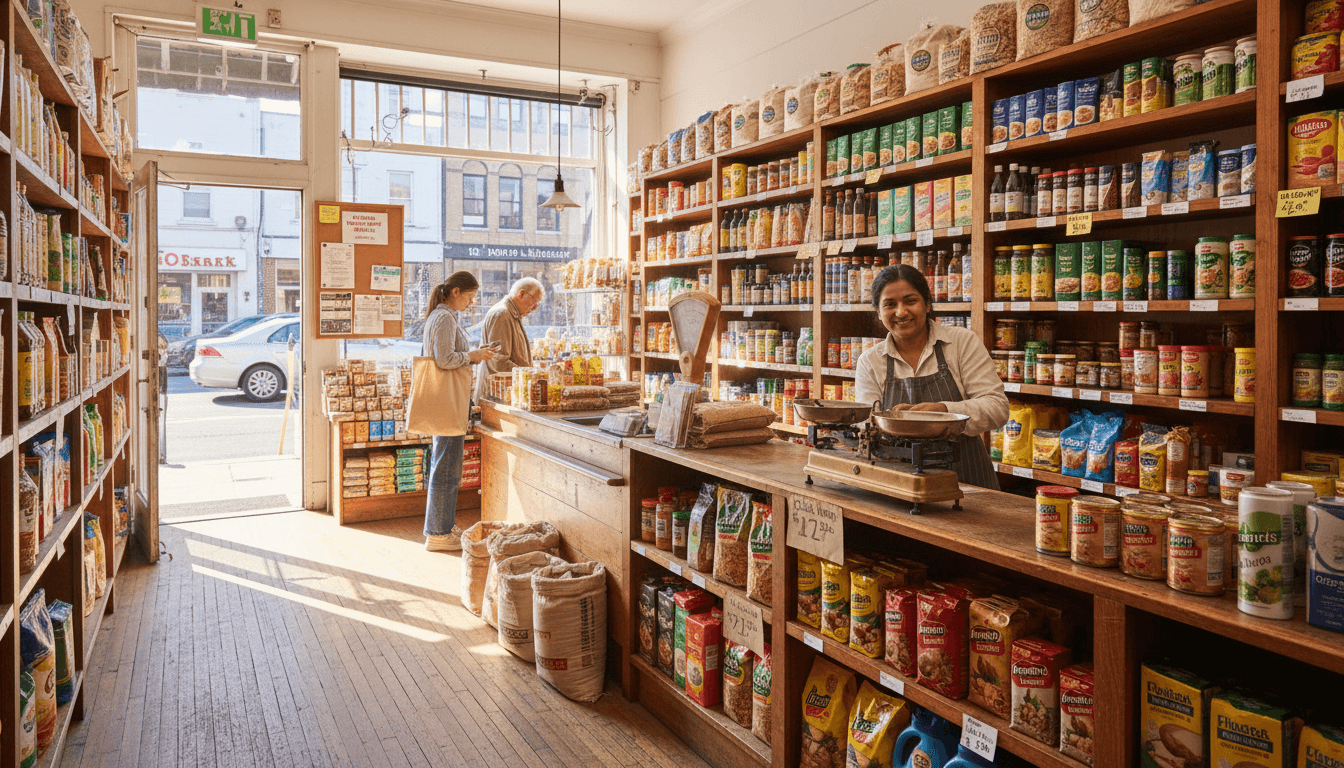
Unlike the chaotic layout of massive big-box retailers that often rely on sensory overload and impulse triggers, smaller shops prioritize transparency in pricing and clear labeling. This straightforward presentation allows you to compare unit prices and material quality without distraction. By making a thoughtful product selection in an environment that values clarity over volume, you can stick to your 50/30/20 breakdown and avoid the hidden costs of over-complicated shopping experiences.
Finding the Right Balance at Elna Shops in Richfield
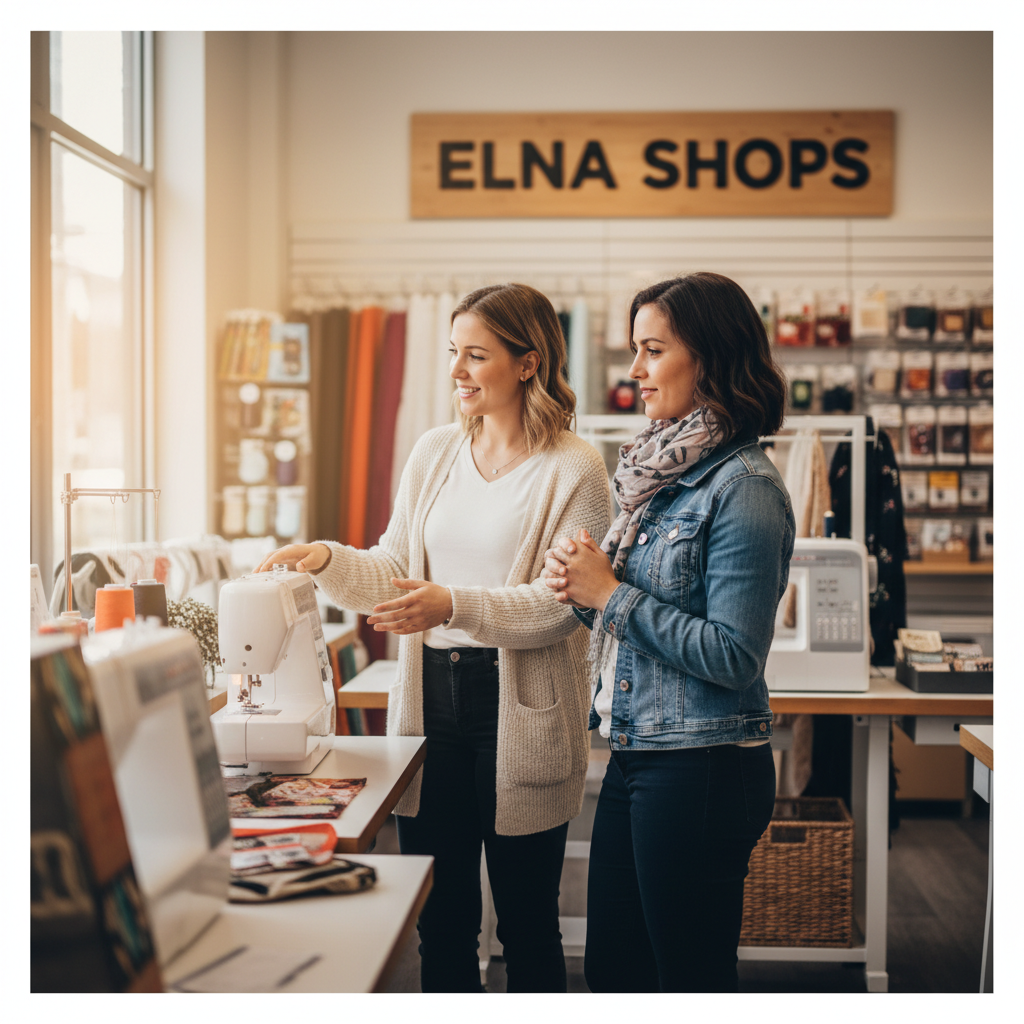
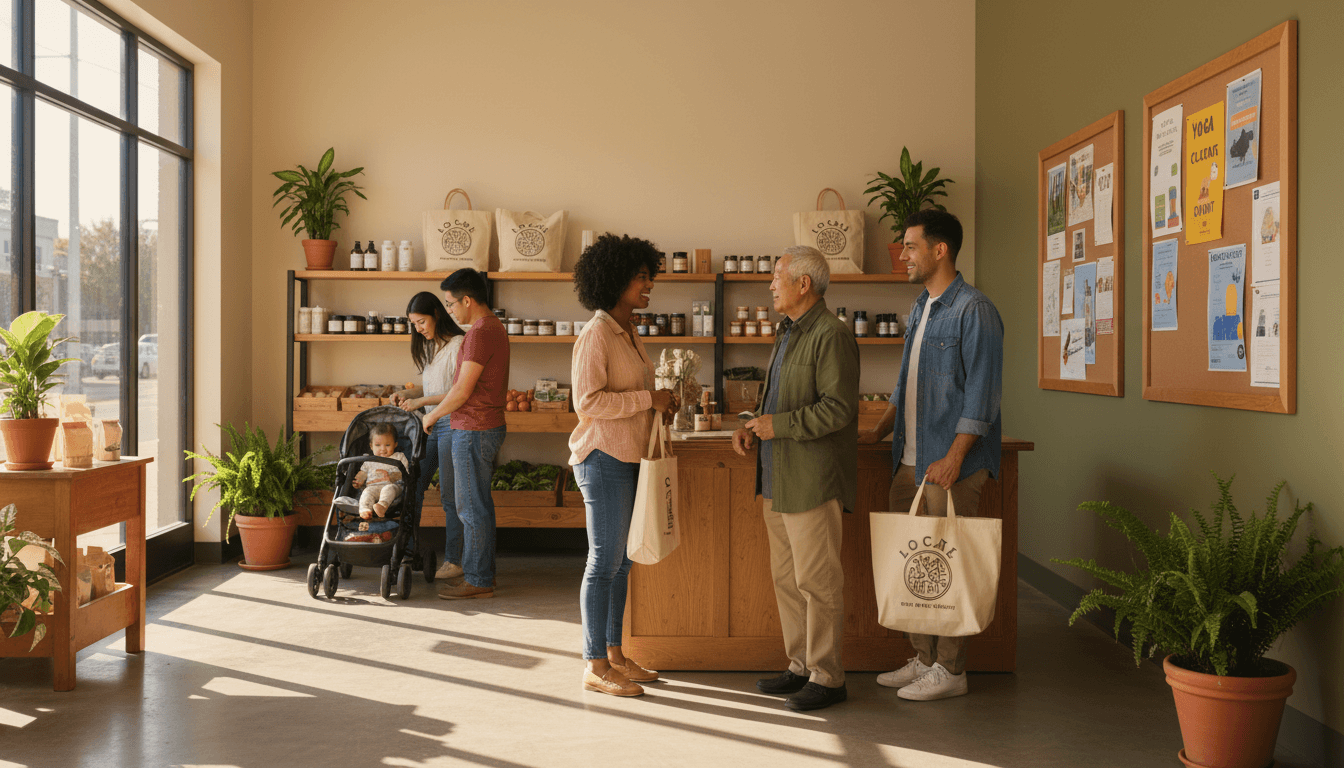
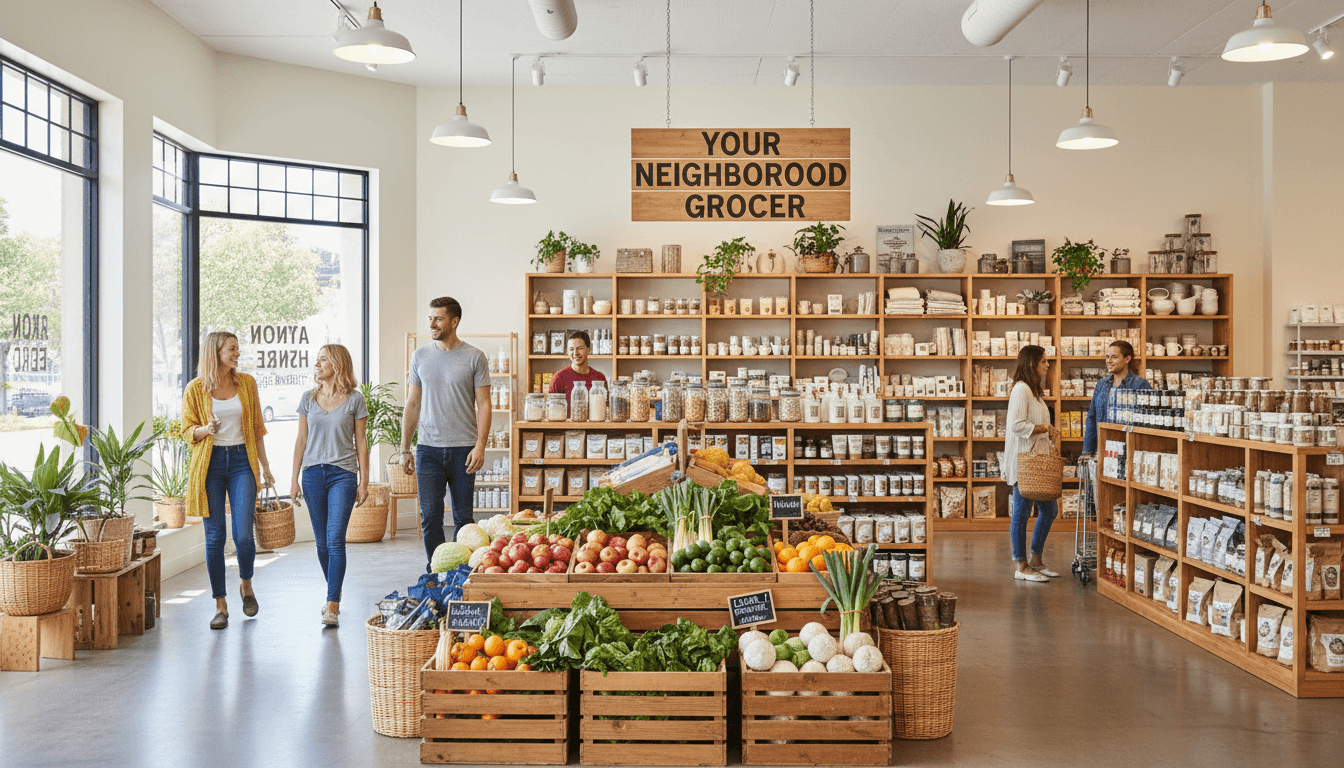
Navigating a massive big-box store often leads to analysis paralysis, as endless rows of identical-looking goods make it difficult to identify true value. Shopping at our local stores in Richfield offers a more focused alternative. We simplify the decision-making process by offering a curated selection of essentials that emphasizes durability over sheer volume. This approach ensures that every item, from a basic kitchen utensil to a specialty gift, meets a standard of reliability that justifies its place on your shelf.
Our team provides personal service to help you apply these everyday vs specialty products shopping tips to your specific household needs. We can help you determine if a standard model provides the necessary utility or if a premium tier offers the long-term cost savings you require. By relying on our thoughtful product selection, you avoid the fatigue of comparing hundreds of online reviews and can trust that your purchase supports a balanced, efficient lifestyle.
Finding the right balance between everyday essentials and specialty splurges is the key to a smart, sustainable lifestyle. By prioritizing quality where it matters most, you ensure your investments last for years to come. If you want expert help navigating these shopping choices, the team at Elna Shops is ready to assist you; you can learn more about us to see how we help shoppers make informed and confident decisions every single day.