Determining how to tell if a product is worth buying involves evaluating the item's quality, the brand's pricing transparency, and its overall utility. Value seeking shoppers should look for unique selections and personalized service from independent retailers; these traits often signal higher craftsmanship and long term satisfaction. This holistic approach helps consumers navigate modern retail trends while ensuring their purchases support resilient and ethical businesses.
We have all experienced the sting of a purchase that promised luxury but delivered disappointment. In an era defined by endless digital storefronts, discerning real value from clever marketing has become a taxing chore. This frustration, often called big box burnout, stems from a market saturated with disposable goods that lack character or durability. Understanding the true worth of an item is no longer just about the price tag; it is an essential skill for the modern, conscious consumer. In this guide, we will explore the four definitive factors to evaluate before any transaction. You will learn how to identify high quality markers, why curated retailers provide a strategic advantage, and the specific questions you should ask to ensure your money is well spent. By the end, you will be able to distinguish between a fleeting bargain and a lasting investment.
The Rise of the Value Seeking Consumer in 2026
As we move into 2026, the retail landscape has undergone a fundamental shift. Recent research from Deloitte indicates that persistent inflation has trained consumers to look far beyond the initial sticker price. Today, a value seeking consumer is not someone simply chasing the lowest number on a tag; they are individuals looking for the highest return on their investment through utility and longevity. Value no longer means just the lowest price; it means getting the most life out of every dollar spent.
Trend forecasts for 2026 highlight a significant move toward value over choice. After years of digital exhaustion and choice overload, shoppers are beginning to reject the endless sea of low quality, disposable products found on massive global marketplaces. Instead, they prefer a shorter, more intentional list of options that have already been vetted for quality. The modern shopper wants to understand how to tell if a product is worth buying without spending hours sifting through conflicting reviews or complex specifications.
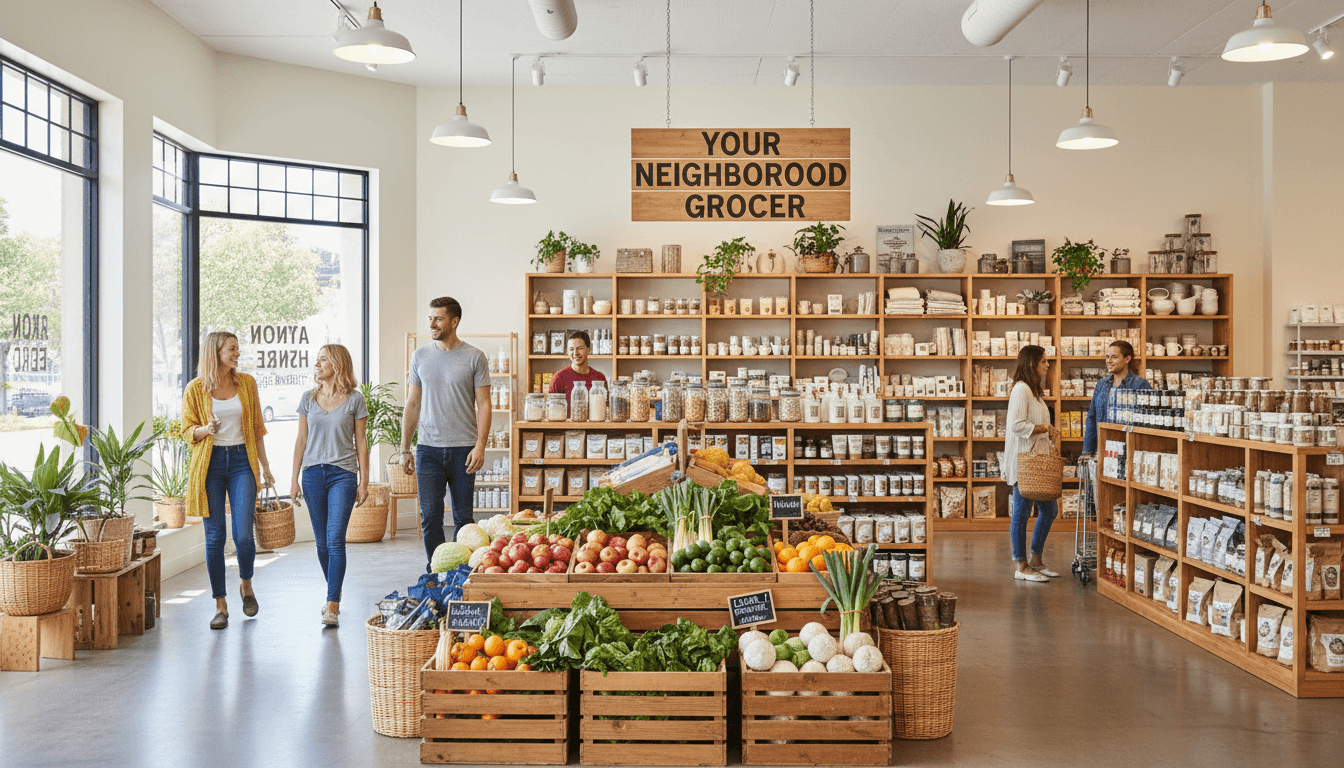
At Elna Shops, we position ourselves as a partner in this transition. By focusing on a thoughtful product selection rather than filling shelves with clutter, we serve the real world needs of our Richfield community. We believe that true value is found in products that do their job reliably day after day. Our role is to act as a filter, curating essentials that prioritize practical durability over unnecessary complexity, ensuring that every purchase contributes to a simpler, more efficient lifestyle.
The Four Key Factors to Consider Before Every Purchase
Determining if a purchase aligns with your needs requires moving past the price tag and evaluating four specific criteria. These factors help define how to tell if a product is worth buying by focusing on utility rather than just the immediate expense.
Build Quality and Durability: This is the most fundamental question: will it last? A high quality kitchen tool, such as a heavy gauge stainless steel whisk or a solid wood cutting board, is built to withstand years of daily use. In contrast, a disposable plastic alternative often fails at the first sign of resistance. True value is found in materials that resist wear and construction that avoids obvious failure points like flimsy joints or thin coatings.
Functional Versatility: In a curated home, every item should earn its shelf space. Can the product do more than one thing? A well made cast iron skillet can sear, braise, and bake, replacing several specialized pots. Choosing items with multiple uses reduces clutter and ensures the product remains relevant as your needs change. If a tool only performs one niche task, its value decreases significantly.
Cost per Use: This involves the simple math of buying better once versus buying cheap twice. If a reliable $40 tool lasts for five years, its daily cost is negligible. A $10 version that breaks in three months actually costs more over time due to replacement frequency. Deloitte’s research confirms that value seeking consumers now prioritize this long term usefulness over the lowest sticker price.
Ethical or Local Impact: There is hidden value in where your money goes. Supporting a local business in Richfield ensures that your investment stays within the community, strengthening local resilience and supporting regional jobs. Learning more about our local mission reveals how every transaction supports the Richfield economy in ways a global chain cannot match. This moral value adds a layer of satisfaction that goes beyond the physical properties of the item itself.
How to Spot High Quality Value Markers in the Wild
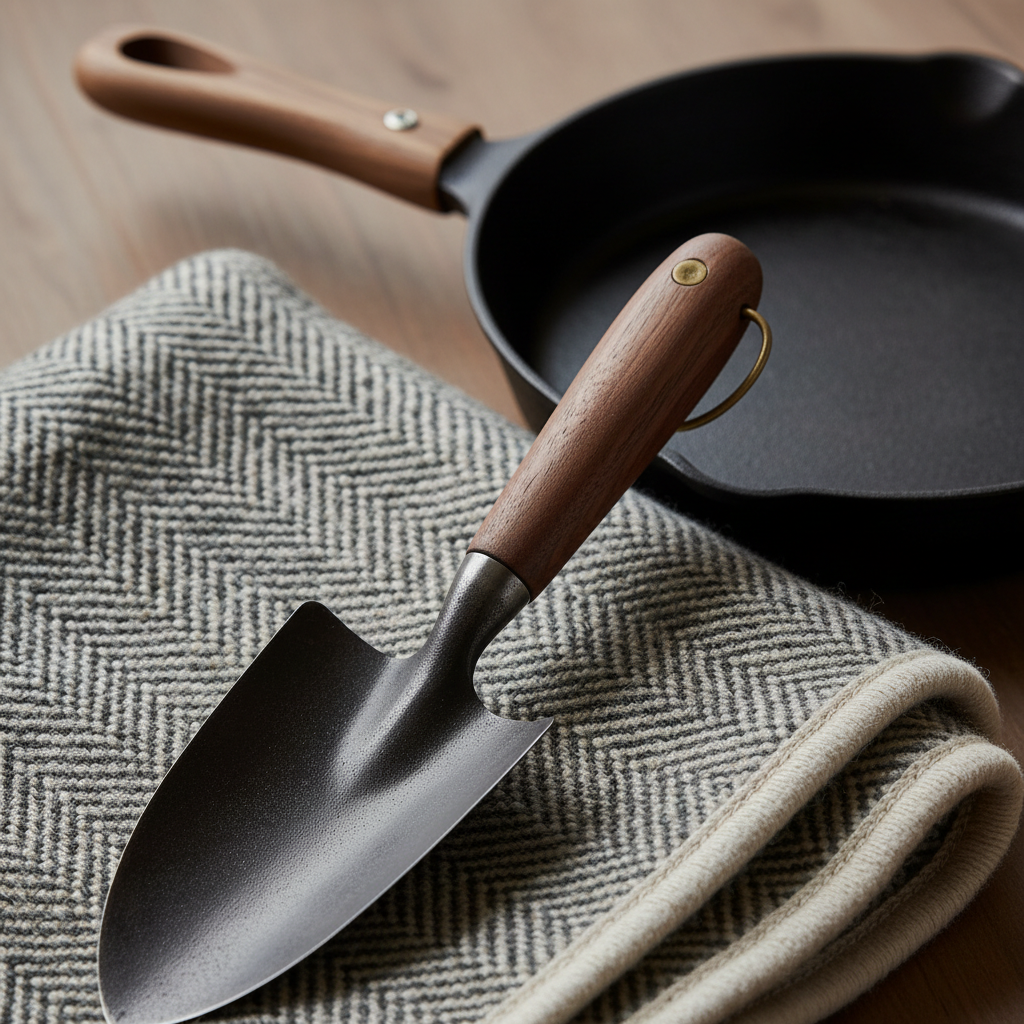
Identifying high quality requires looking past the branding and focusing on the physical attributes of the item. When you are standing in an aisle or reviewing a listing, the most reliable indicator of longevity is material density. A product that feels heavier than its peers often contains thicker gauge metals or solid wood rather than hollow plastic or pressed fiber. You can test this by applying slight pressure to the frame; it should resist flexing.
Craftsmanship is often visible in the finish and the points of connection. Look for smooth, uniform coatings and clean edges. If you see burrs on plastic or rough patches on wood, the manufacturer likely cut corners on the final assembly. In contrast, high quality value markers include metal fasteners instead of glued joints and reinforced high stress areas. These details are part of a thoughtful product selection process that prioritizes items built to be repaired rather than replaced.
You should also be wary of features that signal planned obsolescence. How to tell if a product is worth buying often involves identifying what is missing. A simple tool, like a manual can opener or a garden trowel, does not benefit from digital screens or complex electronic sensors. These additions are frequent failure points that render the tool useless once a single circuit fails. Instead, look for simple construction with fewer moving parts. If a hinge is made of thin plastic rather than pinned metal, it is a red flag that the item is designed for a short lifecycle. Focusing on these tactile and structural details ensures your money goes toward performance rather than temporary convenience.
The Strategic Advantage of Curated Shopping vs Big Box Burnout
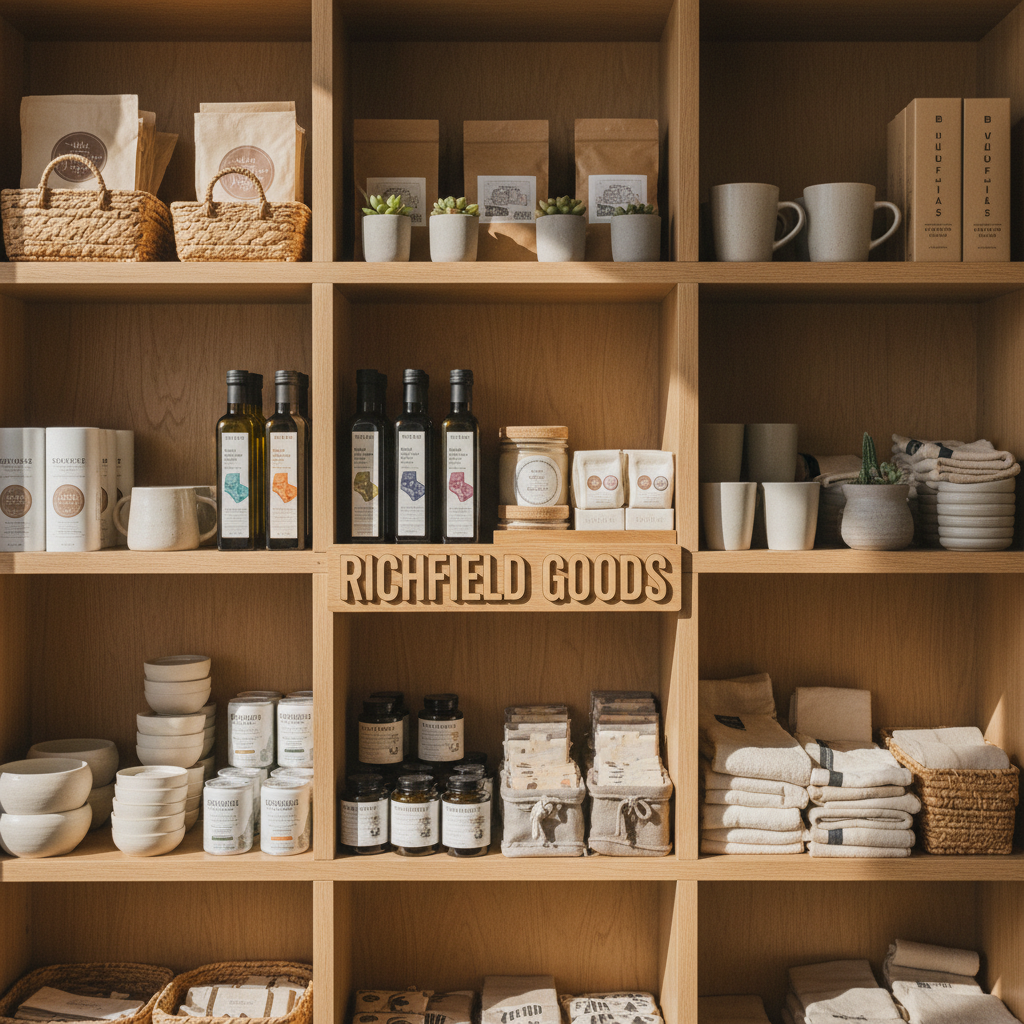
Giant marketplaces operate on a philosophy of infinite choice, yet for most shoppers, this leads to decision fatigue rather than satisfaction. When presented with hundreds of nearly identical listings, the process of determining how to tell if a product is worth buying becomes a grueling chore. This choice overload often pushes consumers toward the cheapest option simply to end the search, which frequently results in poor durability and wasted money.
At Elna Shops, we counter this burnout through a deliberate curation process. Instead of stocking every possible variant of a household tool, we select the one or two versions that represent the best intersection of longevity and value. We do the research so the customer does not have to, vetting material specifications and manufacturing standards before an item ever reaches our shelves in Richfield. Our approach aligns with 2026 retail trends where independent shops are buying tighter to focus on what customers actually need rather than chasing every novelty.
This smaller inventory ensures that every product has already passed a rigorous worth it test based on real-world utility. By prioritizing quality over sheer volume, we provide a streamlined experience that respects your time. Understanding more about our local mission helps illustrate why we believe a smaller, better-vetted selection is the most practical way to serve our community and ensure your purchases last.
Practical Questions to Ask a Retailer Before You Buy
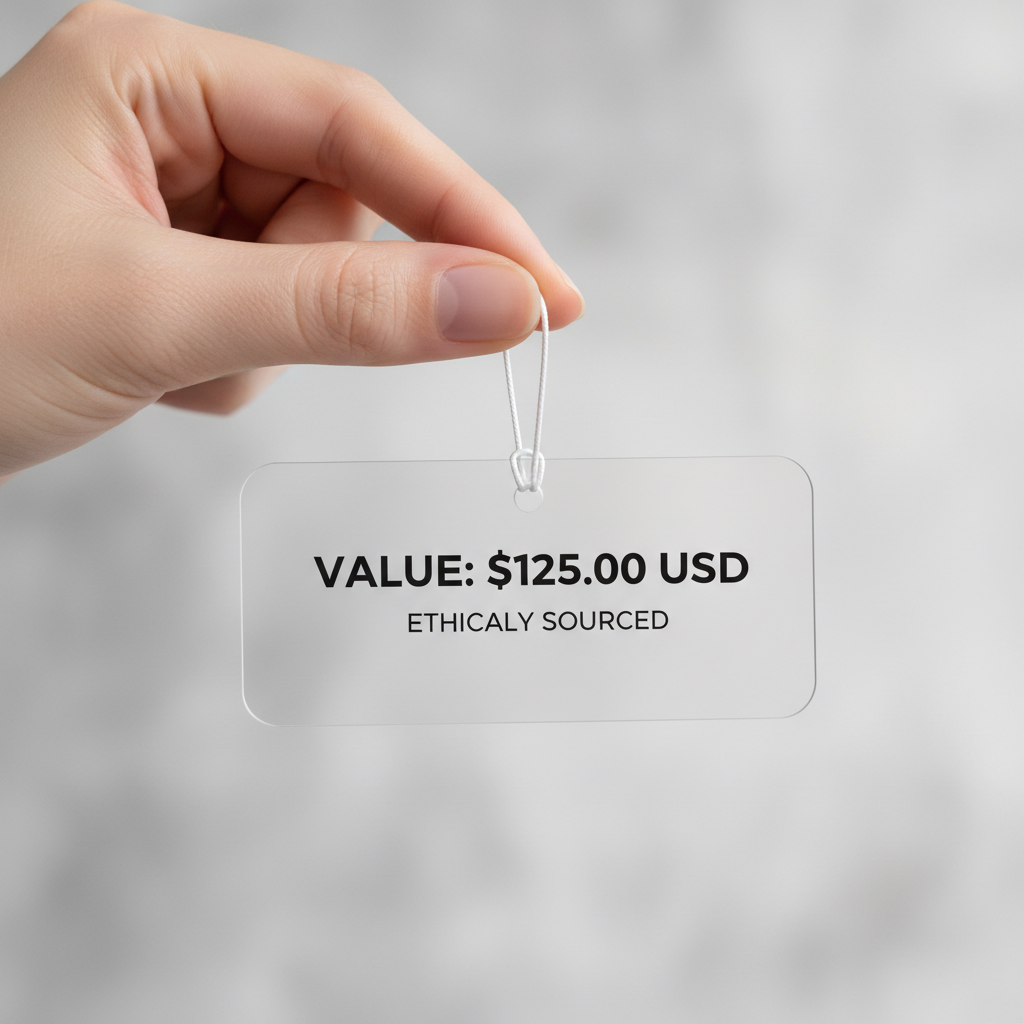
Navigating the retail floor requires more than just observation; it requires direct engagement. When you are uncertain about how to tell if a product is worth buying, the most reliable source of information is often the person behind the counter. At our Richfield location, we encourage shoppers to dig deeper into the history and performance of an item before committing.
Consider asking these four specific questions to gauge true utility:
How often do people return this? A high return rate usually signals a mismatch between marketing promises and actual performance.
What is the most common failure point for this item? Every product has a weak link; knowing if it is a simple replaceable screw or a complex, unfixable circuit helps you weigh the long-term risk.
Is there a simpler version that does the same job? Stripping away non-essential features often increases durability while reducing the cost.
Do you carry replacement parts for this? Products designed for longevity are built to be maintained rather than discarded.
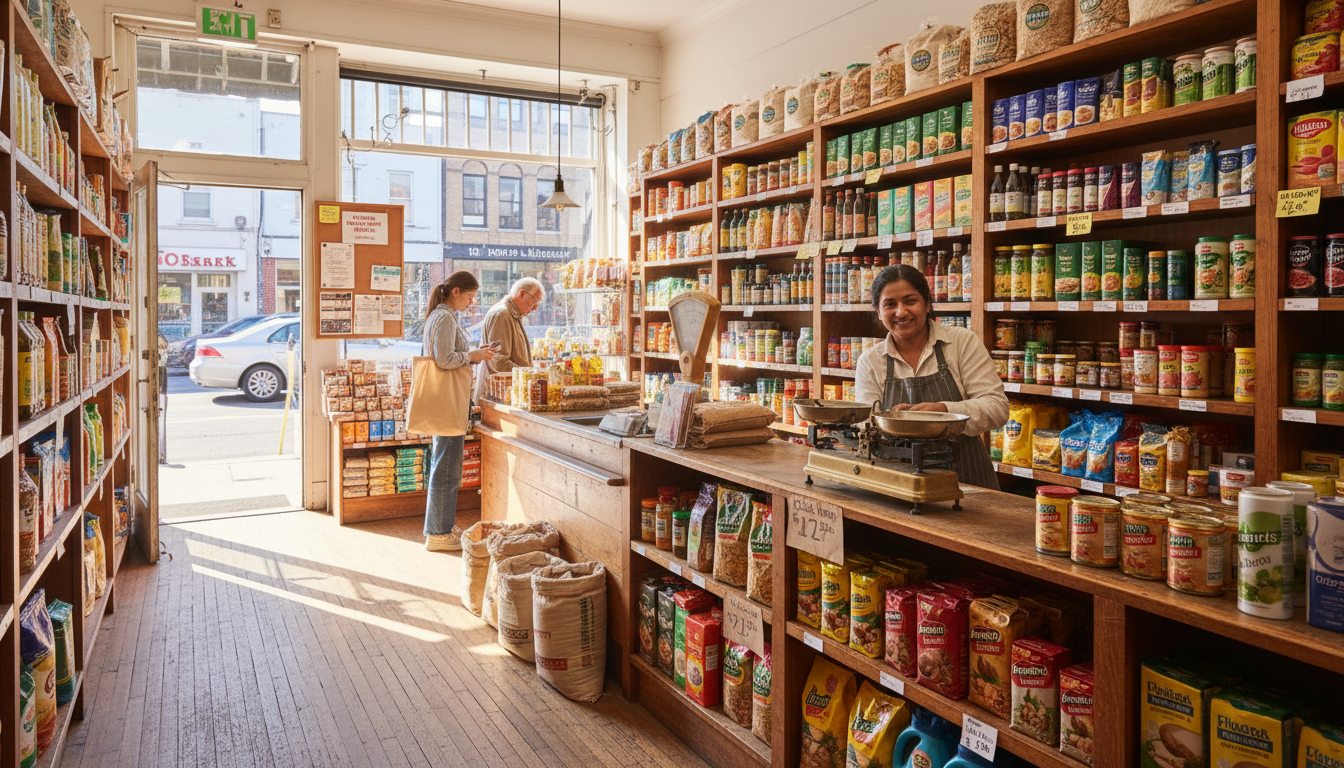
Shopping locally in Richfield allows for these honest, face to face conversations. Unlike an automated chat box, you can contact our friendly team to receive a straight answer based on real-world feedback from your own neighbors. This transparency is a hallmark of a thoughtful product selection process.
Why Supporting Independent Retailers Adds Real Value to Your Purchase

The calculation for determining if a purchase is worth it often ignores what happens after the receipt is printed. When you choose an independent retailer in Richfield, you are investing in the community infrastructure. Economic data indicates that for every $100 spent at a locally owned business, approximately $68 remains in the local economy. In contrast, large national chains typically only retain about $43 in the area. This recirculated capital fuels local jobs, supports municipal services, and maintains the unique character of our town.
Understanding how to tell if a product is worth buying includes evaluating this hidden return on investment. A tool or household essential carries more weight when its purchase helps a neighbor stay employed or keeps a local storefront active. This moral value provides a layer of community resilience that global marketplaces cannot replicate. By choosing a retailer that prioritizes a thoughtful product selection, you ensure your money is not just buying a physical object; it is supporting a local ecosystem built on accountability. Learning more about our local mission highlights how these transactions create a more stable environment for all residents. When the profit stays local, it eventually finds its way back to you through better local services and a healthier regional economy, making the purchase inherently more valuable than one made at a detached big box store.
Final Verdict: Is It Worth It or Just Cheap?
The ultimate distinction between a cheap item and a valuable one lies in the transition from a transaction to a tool. Price is a momentary hurdle, while value represents multi year performance. When you are determining how to tell if a product is worth buying, remember that the lowest price often masks the highest long term cost in replacements and frustration. Research regarding the value seeking consumer confirms that modern shoppers increasingly prioritize this utility over the fleeting satisfaction of a bargain.
At Elna Shops, we apply these rigorous benchmarks to our thoughtful product selection so you can shop with confidence. We filter out the flimsy and the overly complex, leaving only the essentials that solve real world problems. By slowing down and choosing quality over quantity, you reduce household waste and ensure your home is filled with reliable items. Our commitment to simplicity means we value your time and your budget equally. You can always contact our friendly team to learn more about our local mission and how we vet every product on our Richfield shelves to ensure it earns its place in your life.
Determining whether a product offers true value involves looking beyond the price tag to consider quality, durability, and your specific needs. While these strategies empower you to shop smarter, the process of vetting every purchase can be time consuming. If you want expert help navigating the market or wish to learn more about our commitment to quality, we invite you to read about our mission. We are here to simplify your shopping journey so you can focus on enjoying your finds.