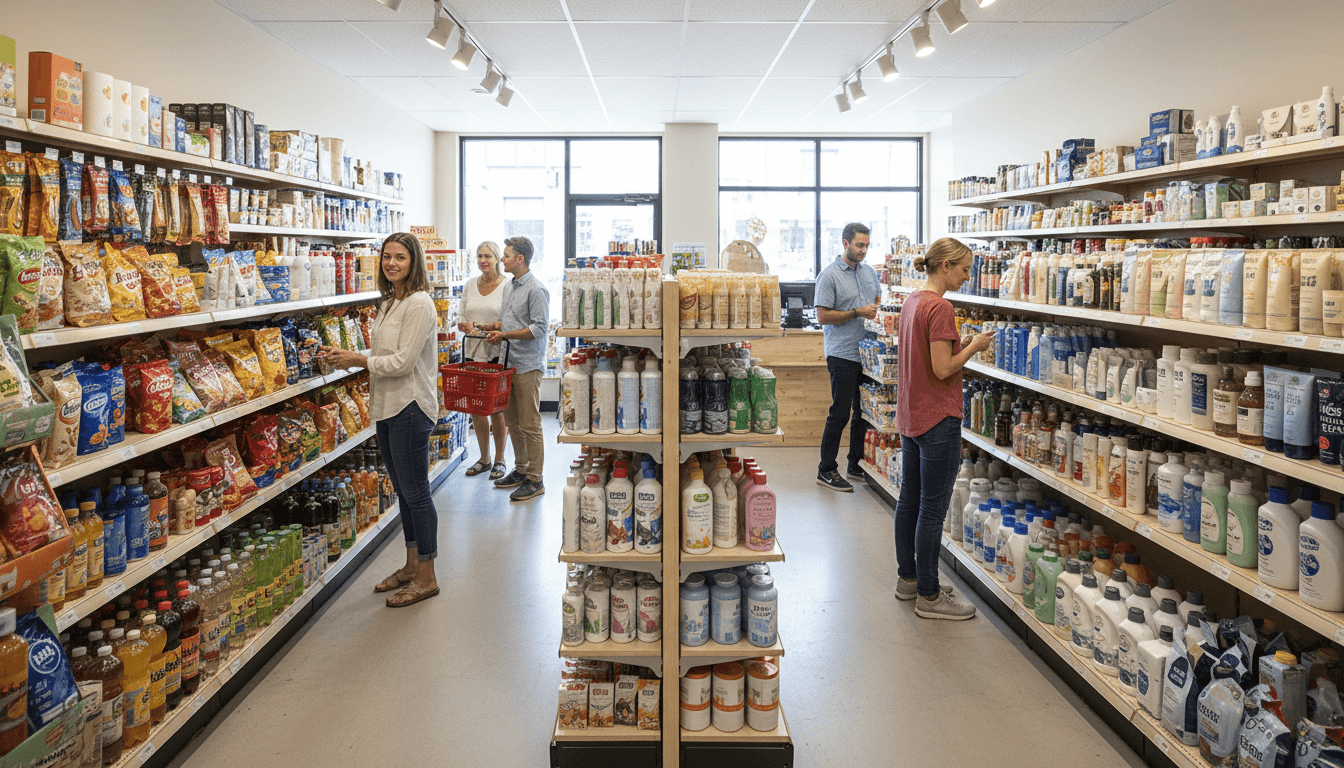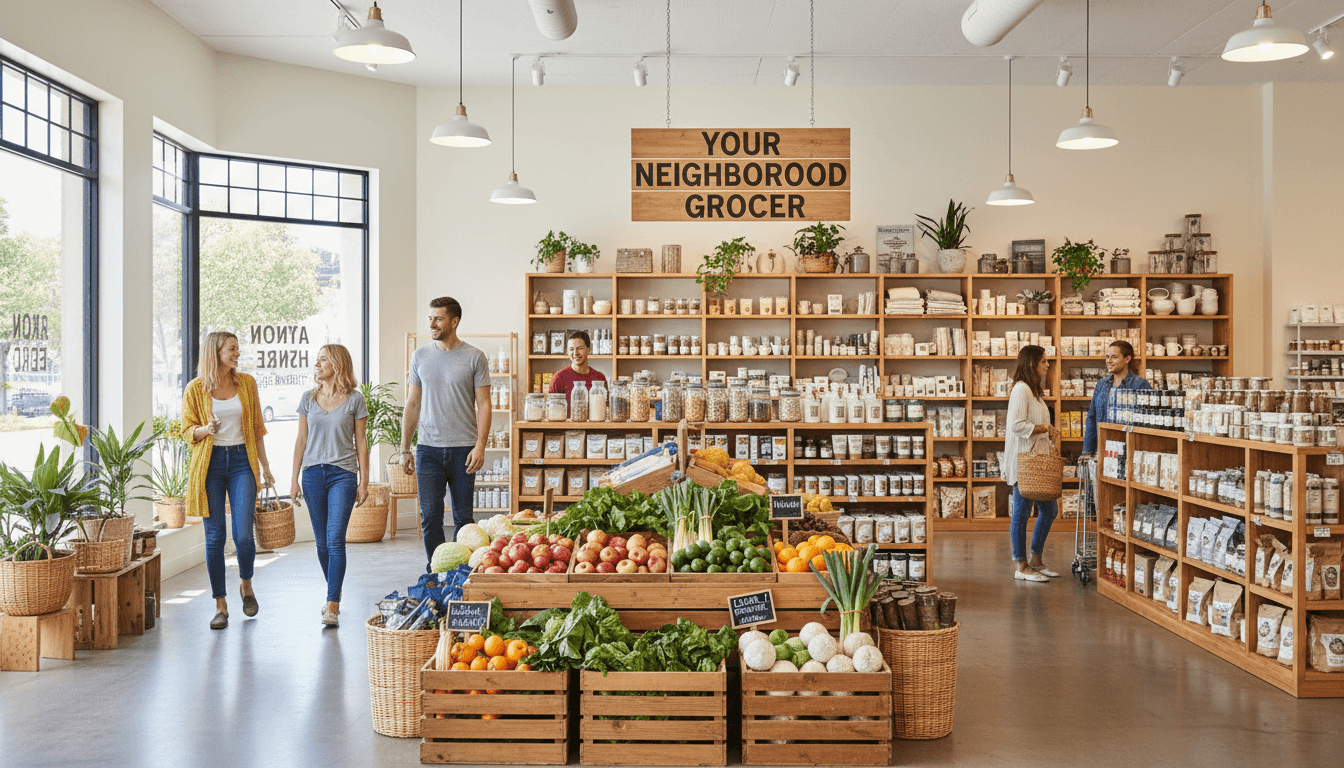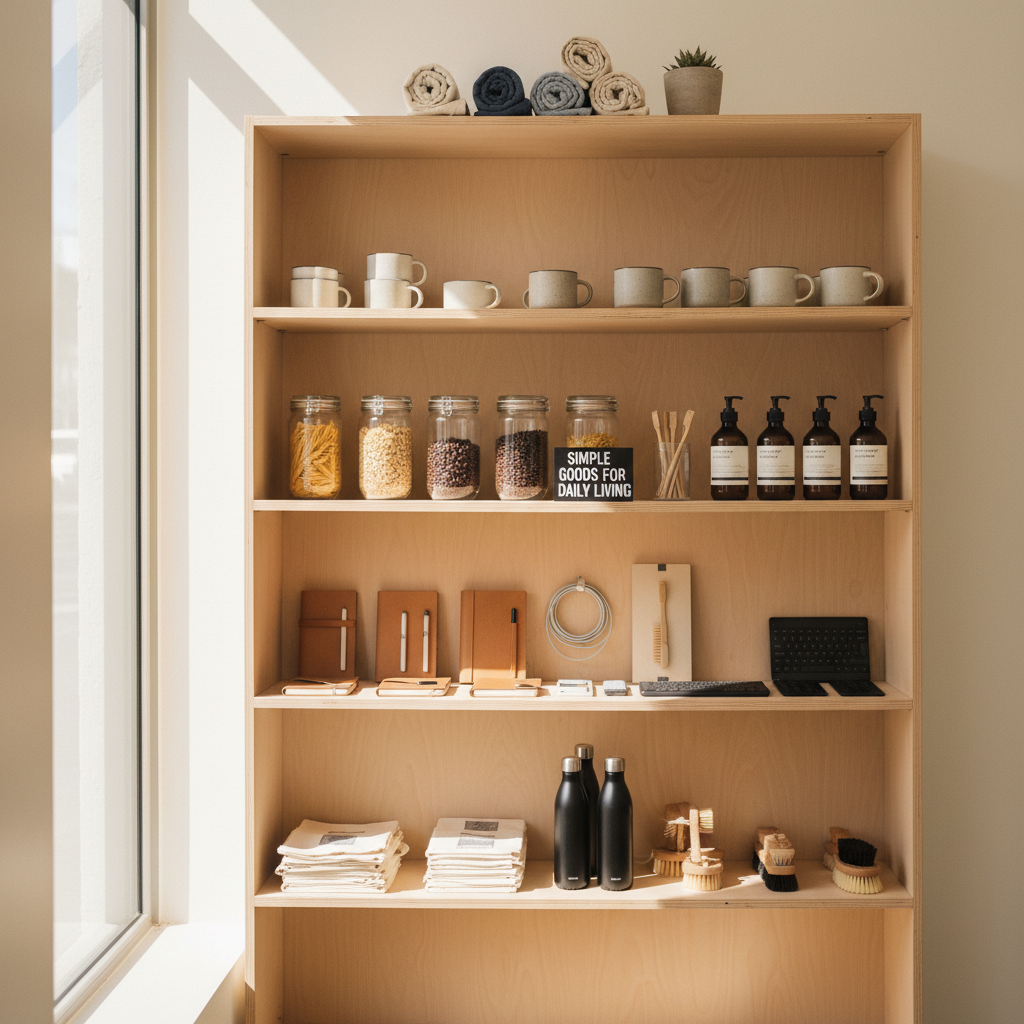
To effectively learn how to organize a small home, you must first declutter by removing non-essential items before implementing creative storage solutions. Maximizing vertical space, using multi-purpose furniture, and repurposing everyday items help create a functional environment even in spaces with limited storage.
Living in a small home often feels like a constant battle against physical objects, where every surface becomes a landing strip for clutter. When square footage is limited, the traditional approach of buying more bins usually backfires, leading to a space that feels cramped rather than curated. Achieving lasting order requires a shift from merely hiding items to intentionally selecting what earns a place in your sanctuary. In this guide, you will discover the fundamental reasons most organizational efforts fail and how to apply the 3 3 3 and 5 5 5 methods to clear the path. We will explore practical strategies for maximizing vertical space without unnecessary purchases, alongside tips for choosing multi functional essentials that maintain long term harmony. By the end, you will have a clear roadmap to transform your limited space into a sophisticated, functional retreat.
Why Most People Fail at Small Home Organization
Many people begin the process of learning how to organize a small home by visiting a big box store to purchase plastic bins and dividers. This is the primary reason most home organization projects fail. Buying containers before reducing the volume of your belongings only results in organized clutter. It creates the illusion of order while the underlying problem remains. If the volume of items exceeds the capacity of the space, no amount of plastic storage will fix the lack of flow.
True organization requires a clear distinction between tidying and system building. Tidying is the act of moving items from one surface to another or hiding them from view. Organizing, by contrast, is the creation of a functional system where every object has a logical, permanent home based on its frequency of use.
At Elna Shops, we advocate for a philosophy rooted in simplicity and quality over quantity. Our thoughtful product selection reflects the idea that living well in a small space does not require more storage; it requires better items. For residents in Richfield, maintaining a clear living space is best achieved through a straightforward approach to essentials. When you focus on a curated selection of everyday essentials, you eliminate the need for complex, over-engineered storage solutions. Practicality and value are the foundations of a home that stays organized long term.
The Declutter First Rule: Using the 3 3 3 and 5 5 5 Methods
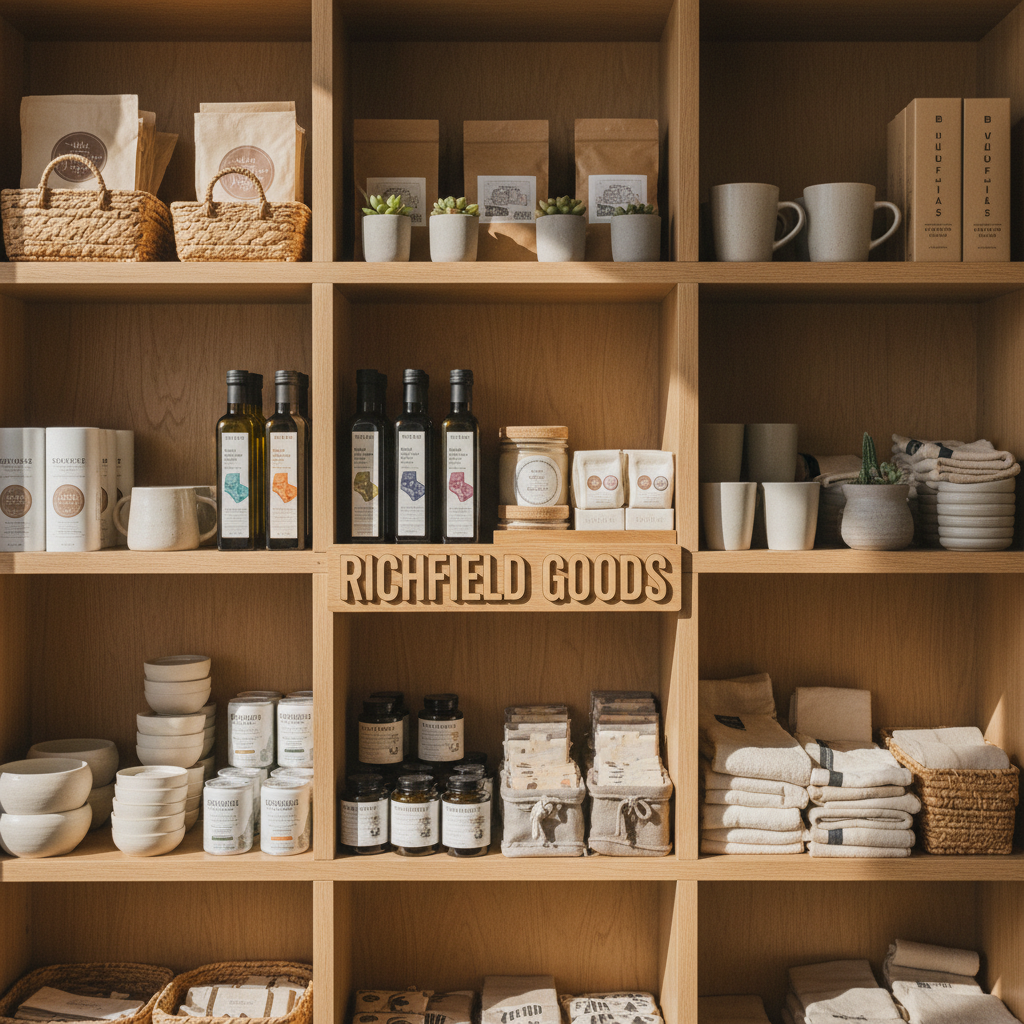
Reducing the physical volume of your belongings is the only way to effectively learn how to organize a small home. You simply cannot organize items that do not serve a purpose; you are merely rearranging obstacles. To break the cycle of clutter, we recommend two structured methods that simplify the decision making process and provide immediate results.
The 3-3-3 rule focuses primarily on your wardrobe, which is often the most cluttered area in a small residence. You select 33 items, including clothing, accessories, and shoes, to wear for the next three months. By setting this boundary, you quickly identify which pieces are high quality staples and which are merely taking up valuable closet real estate. This exercise reveals that a small, thoughtful product selection is often more functional than a crowded rack of low quality garments that you rarely reach for.
For general living areas, the 5-5-5 rule provides a daily framework for maintenance. Each day, identify 5 items to toss in the trash or recycling, 5 items to donate to a local charity, and 5 items that are currently out of place to put away in their permanent homes. This habit prevents the accumulation of "stuff" that typically overwhelms small spaces in Richfield homes.
Method | Primary Focus | Daily or Seasonal Action |
|---|---|---|
3-3-3 Rule | Clothing and Accessories | Wear only 33 items for 3 months |
5-5-5 Rule | Entire Household | Find 5 to toss, 5 to donate, 5 to store |
However, effective decluttering requires discernment. You should never discard essential documents, such as property deeds, birth certificates, or tax records. Similarly, avoid purging high quality tools or items with genuine, irreplaceable sentimental value. The goal is to remove the mediocre and the redundant so that your curated selection of everyday essentials has the space it needs to be accessible and useful. Once the volume is manageable, the physical act of organizing becomes a logical, one time task rather than a recurring chore.
How to Organize a Small Home Without Buying New Storage
Once the volume of your belongings is reduced through decluttering, the next step in learning how to organize a small home involves looking at what you already own. You do not need a cart full of new plastic containers to establish order. In fact, adding more manufactured storage units often contradicts the goal of a simplified living space. Repurposing existing items is a more practical, cost-effective way to create systems that last.
At Elna Shops, we believe a thoughtful product selection in your home should be supported by functional, low-waste solutions. For instance, a vintage suitcase tucked under a bed or in a closet is not just a decorative piece; it is an ideal vessel for storing seasonal linens or heavy quilts that would otherwise occupy valuable shelf space. Similarly, glass jars from the kitchen can be cleaned and reused to categorize small hardware in a workshop or cotton swabs in a bathroom, keeping essentials visible and contained without a trip to a specialty store.
Consider these five DIY hacks to maximize your current resources:
Use muffin tins inside shallow drawers to sort small items like paper clips, screws, or jewelry.
Attach shower rings to a single sturdy hanger to organize a collection of scarves, belts, or tank tops.
Place clean egg cartons in a junk drawer to keep coins, buttons, and keys from sliding around.
Repurpose sturdy shoe boxes as drawer dividers for socks or undergarments to maintain distinct categories.
Use a tension rod, if already owned, under the kitchen sink to hang spray bottles by their triggers, freeing up the cabinet floor.
By using what is already available in your Richfield home, you focus on the utility of your space rather than the accumulation of more products. This approach ensures that your curated selection of everyday essentials remains the focus of your home, neatly arranged through simple, resourceful methods.
Choose Better Essentials: The Secret to Long Term Order
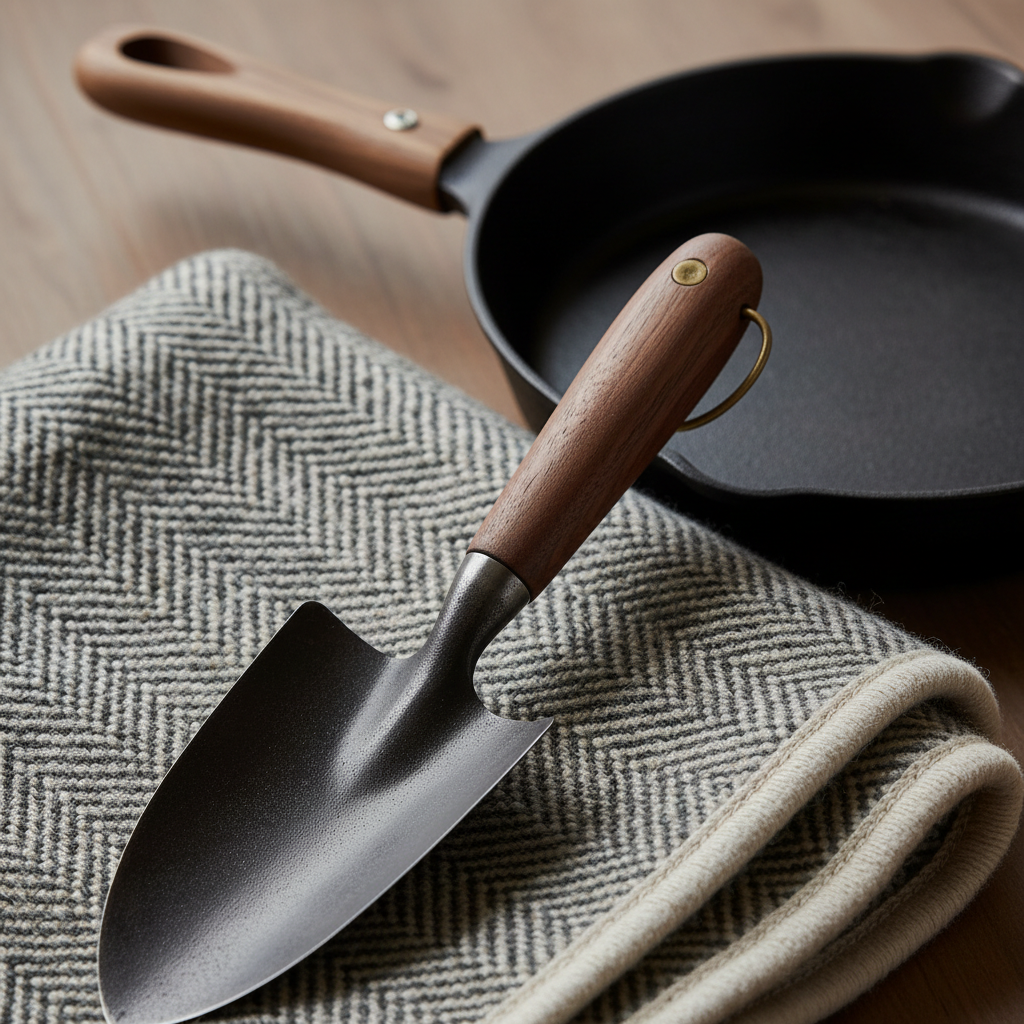
Establishing order through repurposing is a powerful first step, but the long term sustainability of your home system depends on the quality of the objects you keep. The most effective way to learn how to organize a small home is to shift your focus from volume to utility. When you invest in a thoughtful product selection, you naturally reduce the number of items competing for space on your shelves.
Consider the common kitchen drawer. A household might own five flimsy plastic spatulas that melt at high temperatures or take up significant vertical space because they are bulky. By replacing those five mediocre tools with one well made, multi-functional silicone or stainless steel turner, you reclaim eighty percent of that drawer's capacity. The need for a complex drawer divider system disappears because the space is no longer overcrowded. This principle applies to everything from multi-purpose cleaning concentrates to high quality hand tools that serve several different functions.
This is the core of the Curated Home concept. When every object in your living space is high quality and serves a distinct purpose, organization becomes intuitive rather than forced. You do not need to hunt for clever ways to hide items if every item is worth seeing and using. In our Richfield store, we emphasize a curated selection of everyday essentials because we know that one durable, reliable item is worth more to a small home than a dozen cheap alternatives.
Item Category | Low Quality / High Volume | Better Essential / Low Volume | Space Impact |
|---|---|---|---|
Kitchen Tools | 5-7 specialized gadgets | 1-2 multi-use tools | High drawer clearance |
Bedding | 4 sets of thin sheets | 2 sets of high-quality cotton | Minimal linen closet bulk |
Cleaning | 10 specific spray bottles | 1 glass bottle + concentrates | Reduced under-sink clutter |
Choosing better essentials changes your relationship with your environment. Instead of managing a surplus of items, you are maintaining a collection of assets. This reduces the mental load of tidying and ensures that your systems remain functional for years without requiring additional storage furniture.
Maximizing Vertical Space and Small Apartment Storage Hacks
When floor space is limited, the most effective way to learn how to organize a small home is to look toward the ceiling. Most rooms have significant unused volume above the six foot mark. Installing a single, deep shelf above a door frame creates a secure home for items used only a few times a year, such as specialized tools or holiday linens. This keeps the floor clear and the room feeling spacious.
Success in a small footprint requires mapping your belongings to their frequency of use. We recommend a three tier vertical system:
Reach Zone | Placement | Intended Use |
|---|---|---|
Prime Zone | Waist to Eye Level | Daily essentials and high use tools |
Secondary Zone | Below Waist | Items used weekly, like extra linens |
Storage Zone | Above Head or Under Bed | Seasonal items and bulk backups |
Every piece of furniture in a compact home should serve at least two purposes. Instead of a standard bed frame, choose one with integrated drawers to house your curated selection of everyday essentials. An ottoman with a removable lid can store extra pillows while serving as seating. By selecting furniture that incorporates storage, you eliminate the need for bulky, standalone plastic units.
This disciplined approach to verticality and multi-functionality ensures that your thoughtful product selection remains accessible without overcrowding your living area. In Richfield homes where closets are often small or non-existent, these hacks transform walls into functional assets.
Intentional Shopping Habits to Prevent Future Clutter

Maintaining the efficiency of these vertical systems and storage zones requires a permanent shift in how you acquire new items. The most effective safeguard against re-cluttering is the "One In, One Out" rule. For every new item brought into your home, a similar item must be donated, recycled, or discarded. This discipline ensures that your physical inventory remains static, preventing the slow creep of excess that often undoes your hard work when learning how to organize a small home.
True value is found in longevity rather than a low unit price. When you shop at local retailers like Elna Shops, you can focus on a curated selection of everyday essentials that are chosen for their utility and durability. This approach helps you avoid the common temptation of big box stores, where buying in unnecessary bulk often leads to cabinets overflowing with products you may not use for months. Large quantities of mediocre goods are the enemy of a clear living space.
Before making a purchase, scrutinize the quality and construction of the item. A thoughtful product selection involves checking labels for sustainable materials and sturdy craftsmanship rather than just the price tag. If an object is going to occupy physical space in your Richfield home, it must prove its worth through repeated, reliable performance. By prioritizing value over volume, you ensure your home remains a functional environment rather than a storage facility for impulse buys.